

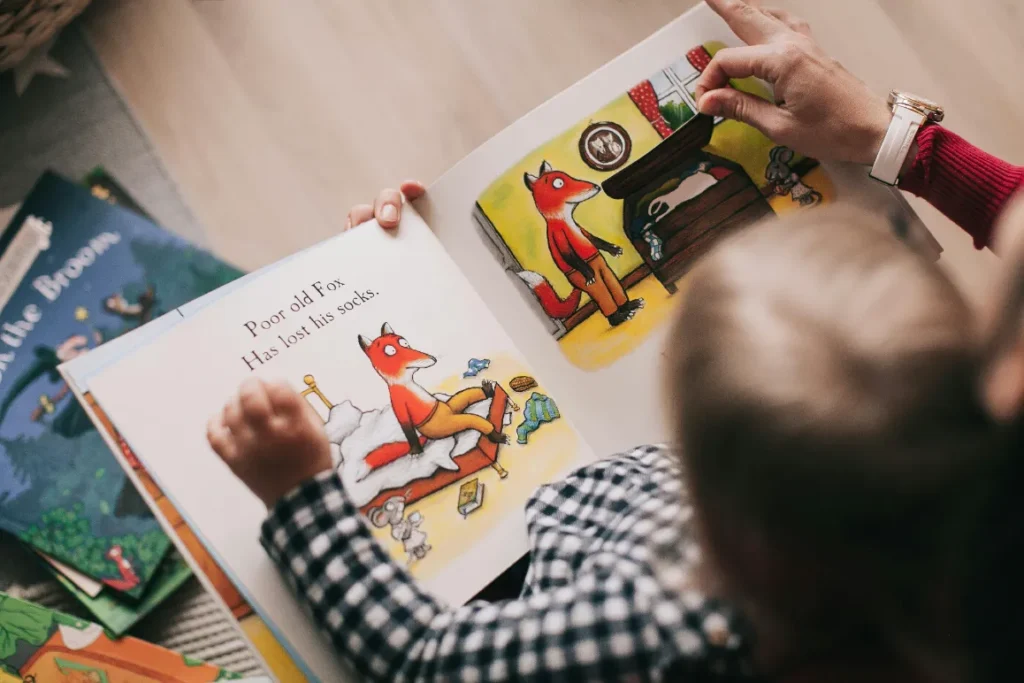
The Conscious Teacher’s 7+ Reading List: The Best Books to Prepare for Year 3 Entry
Preparing for the 7+ can feel like a big step. For children in Year 2, the prospect of sitting an entrance exam for Year 3 can be exciting, challenging and at times, a little overwhelming.
One of the most effective ways to support your child is also one of the simplest: read together and encourage them to read widely.
Reading regularly helps children develop the vocabulary, comprehension, inference and general knowledge that underpin many of the skills assessed in 7+ entrance examinations. Just as importantly, books help children become curious, confident thinkers, qualities that will benefit them far beyond the exam itself.
At The Conscious Teacher, we believe that reading preparation should never be about racing through a prescribed list of books. Instead, children should have the opportunity to discover stories, meet memorable characters, explore new worlds and encounter language that stretches their thinking.
With that in mind, we have put together our 7+ reading list for Year 2 children preparing for Year 3 entry, including classics, contemporary fiction, fantasy, adventure, humour, poetry and non-fiction.
The Conscious Teacher 7+ Reading List
There is no single list of books that every child sitting a 7+ should read.
Children have different interests and reading abilities, so our recommendation is to offer plenty of variety. Some books below will be ideal for independent reading, while others may be better enjoyed as a shared read-aloud.
Don’t Forget Non-fiction
A good 7+ reading diet should include plenty of non-fiction.
Encourage your child to read about subjects they genuinely enjoy.
This could include:
- dinosaurs
- space
- animals
- oceans
- inventions
- football
- science
- famous people
- history
- geography
- nature
- unusual facts.
Children’s encyclopaedias, biographies, fact books and magazines can all contribute to a strong reading habit.
And don’t worry if your child spends an entire afternoon reading a book about sharks.
They are still reading.
How to Make Reading Part of 7+ Preparation
The key is consistency rather than pressure. A little bit every day is better than cramming it all in at the last minute – children of this age need time to process, remember, recall and share. The immersion is key but it can’t all be crammed in to a few weeks.
Aim for Daily Reading (more than once during the day is ideal)
A regular 15–20 minute reading habit can be far more valuable than an occasional marathon reading session.
Try to make reading part of your child’s everyday routine.
Read Together
Even if your child can read independently, continue to read aloud to them.
Shared reading gives children access to books and vocabulary that may be above their independent reading level.
It also gives you opportunities to model fluent reading and expression.
Ask Questions – But Don’t Turn Every Book into a Test
It is tempting to ask your child comprehension questions after every chapter.
Try to resist.
Instead, have natural conversations:
“I wonder why she did that?”
“What do you think is going to happen?”
“That was an interesting word — what do you think it means?”
These small conversations can develop the same underlying skills without making reading feel like revision.
Build a Vocabulary Bank
Keep a notebook where your child can record interesting words.
For each word, write:
Word: bewildered
Meaning: confused or unsure about what is happening
Synonyms: puzzled, confused
Sentence: Oliver looked bewildered when everyone started laughing.
Revisiting these words regularly can help turn recognition into confident usage.
What If My Child Finds Reading Difficult?
Don’t assume that a child who struggles with a particular book isn’t a good reader.
The book may simply be too difficult at that point.
Try choosing something slightly more accessible and gradually increase the challenge.
You can also:
- alternate between independent reading and reading together;
- use audiobooks alongside physical books;
- choose shorter chapters;
- explore graphic novels;
- allow your child to choose some of their own books;
- read books connected to their interests; and
- celebrate progress rather than the number of pages completed.
Most importantly, avoid presenting reading as something they are “bad at”.
Confidence matters.
Final Thoughts: Preparing for the 7+ Through Reading
The 7+ is an important milestone, but it is only one part of your child’s educational journey.
The best reading preparation isn’t about completing this list of books either. It is about creating a child who is comfortable encountering unfamiliar words, curious about stories, willing to ask questions and confident enough to tackle a challenging piece of text.
The ultimate goal isn’t simply to help your child perform well in a 7+ exam.
It is to help them become a confident, curious and enthusiastic reader for life.
Leave a Reply